by James Burns | Mar 7, 2018 | James Burns, Parents, Podcast, Teachers, The Bully Proof Classroom, Uncategorized
Please go to http://bullyproofcla sroom.com/parents-can-bebullies-too-2 and read this article. Based upon the previous tip, it is obvious that bullying is wrong and it will not be tolerated. But, what do you do when parents are bullies? The real reason why parents argue with teachers and administration is because they will never win the argument at home with their own child who they, as the parent, never corrected. They are, in many ways bullied at home and react out of fear; this fear is taken out on the teacher in the form of anger and rage. They are not doing their child any favors because their child is going to have a difficult time in life when Mom and Dad are not around. What’s the answer? When dealing with a parent who is a known bully, never go at it alone. Always meet with them when you have the support of your colleagues or the administration. Parents who are bullies will usually believe what their son or daughter tells them. Things like “the teacher doesn’t like me,” or “the teacher is always picking on me” are common cries from students who are bullies. When you meet with these parents, they go on the attack and become accusatory, putting you as the teacher on the defensive. Chances are, if their son or daughter is a bully, they are a school-wide problem as well, and other teachers and administration have observed their behavior. Having the support of your team when meeting with a parent avoids the idea that you are picking on their child.

by James Burns | Feb 28, 2018 | Bully Proof Classroom, James Burns, Uncategorized
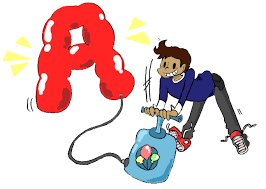
Too often teachers award a grade of an “A” or a “B” to a student, when in reality the student doesn’t know the material and a more realistic grade would be a “C” or even a “D.” Parental or administrative pressure or curriculum timelines can place you in a position of awarding a grade that is not in line with your student’s actual performance or ability. This is more of a problem for the student and the student’s parents than for you. Students who have an inflated view of their own ability move on to the next marking period or the next grade with a lethal combination: an inflated view of their academic ability (overconfidence) and a lack of the prerequisite skills they need to succeed. This cockiness combined with the students perception of their true ability can produce anger-related issues that could translate into bullying behavior. These students ultimately become behavioral and academic problems for another teacher who often will blame you for the problem. Plus, another huge problem that arises is that the student’s parents also develop the same inflated view of their child’s ability. This grade inflation only produces future pain for the student, the parents, any of the student’s future teachers, and maybe even you, down the road.
by James Burns | Feb 23, 2018 | Anti Bullying Coaching and Resources, Anti Bullying Tips, Bully Proof Classroom, James Burns, Lesson Plans, Motives, Responsibility
Do you ever watch CSI (Crime Seen Investigation)? I do, occasionally. I am at amazed how all of the evidence that is collected can point directly at the suspect in question, but they just can’t seem to figure out a motive. They need the motive to convict the person of the crime. We all know what the motive of a bully is, right? Power. They want to have power and control over a smaller or weaker person. How do you change the motive of a bully? By being the strongest and most influential person in the classroom. That’s right, you, the teacher have this ability. You don’t need to use power; you need to use your influence. When your students realize that you are in charge their motives change from wanting to hurt others, to wanting to help. They have met their match. Remember, it is not about the influence of your power, but rather the power of your influence.
A Unit Plan On Responsibility
by James Burns | Feb 21, 2018 | Anti Bullying 101, Attitudes, Responsible Attitudes
The sources of the most painful offenses are not usually actions, but attitudes. People who offend others unintentionally are judged with less severity than those who intend to hurt. Even in law, the intent behind a crime is a factor in assessing the guilt of the one who stands before the judge. This is one area that is the most difficult to change in ourselves and in our students. We ask our students to do things all the time, and they should comply with our request. But really, it’s not as much about the compliance, but more about their attitude when they comply. Are they resentful and angry, and is it like pulling teeth to get them to cooperate with even the smallest task? Character is truly what a person does when no one is looking. A bully will always act when no one is looking. They will deny their hurtful actions and blame others for their behavior. Begin correcting the attitudes of your students; by doing so, you will prepare them for a better future. But, more importantly, you will help them to evaluate the intent of their actions.
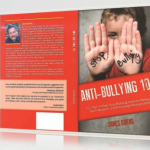
Anti Bullying 101 – Learn More
by James Burns | Feb 20, 2018 | Bully Proof Classroom, James Burns, Responsible Actions

Actions do speak louder than words, for sure, if you follow the pattern, thoughts lead to words and words translate into action. That is unless, of course, you are a bag of wind and never follow through on anything you say. Kids, though, get placed on the battlefield of the bully/victim dynamic through their words, and get pressured into taking action. Of course, this all starts in their thoughts. The more that gets said, the more action has to be taken. Most of the time, these actions are taken out of impulse, leading to serious problems among bullies, victims, and other students who they are friends with, creating discipline problems for teachers, administration, and the school’s bullying specialist. Always keep your hand on the pulse of your classroom, and your school, and listen for threatening words that you know could lead to a bullying event. At this point, the child’s or teen’s thoughts have escaped the confines of his secret life and have now become public. STOP HIM NOW, before you have a bigger problem to deal with.
Visit My Store

 sroom.com/parents-can-bebullies-too-2 and read this article. Based upon the previous tip, it is obvious that bullying is wrong and it will not be tolerated. But, what do you do when parents are bullies? The real reason why parents argue with teachers and administration is because they will never win the argument at home with their own child who they, as the parent, never corrected. They are, in many ways bullied at home and react out of fear; this fear is taken out on the teacher in the form of anger and rage. They are not doing their child any favors because their child is going to have a difficult time in life when Mom and Dad are not around. What’s the answer? When dealing with a parent who is a known bully, never go at it alone. Always meet with them when you have the support of your colleagues or the administration. Parents who are bullies will usually believe what their son or daughter tells them. Things like “the teacher doesn’t like me,” or “the teacher is always picking on me” are common cries from students who are bullies. When you meet with these parents, they go on the attack and become accusatory, putting you as the teacher on the defensive. Chances are, if their son or daughter is a bully, they are a school-wide problem as well, and other teachers and administration have observed their behavior. Having the support of your team when meeting with a parent avoids the idea that you are picking on their child.